-
![]()
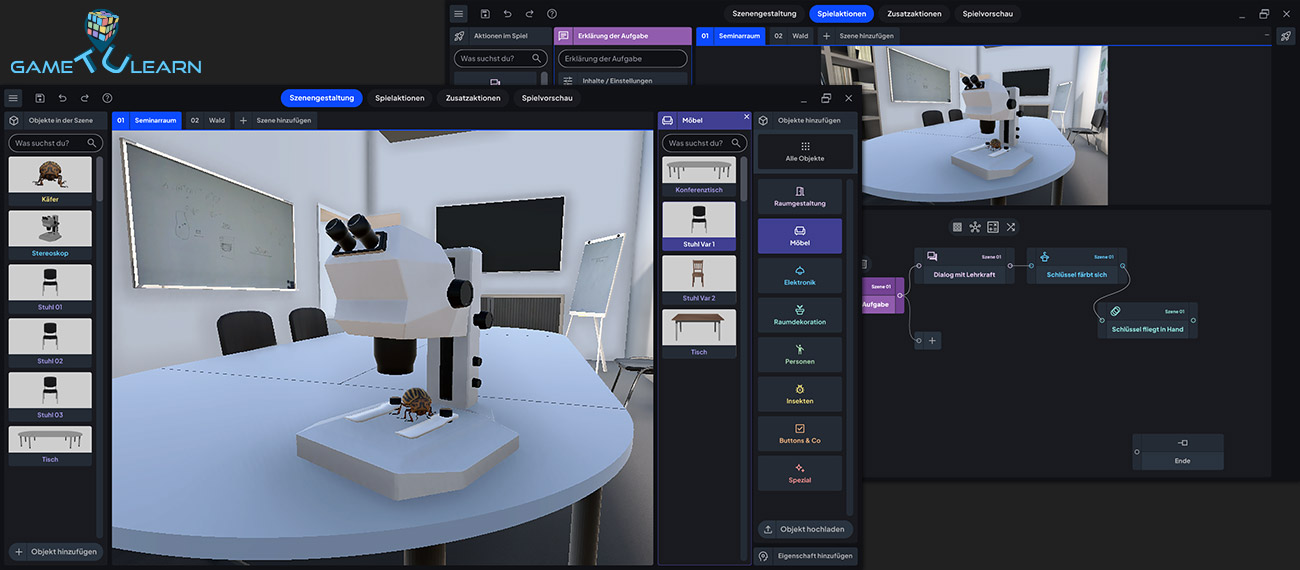
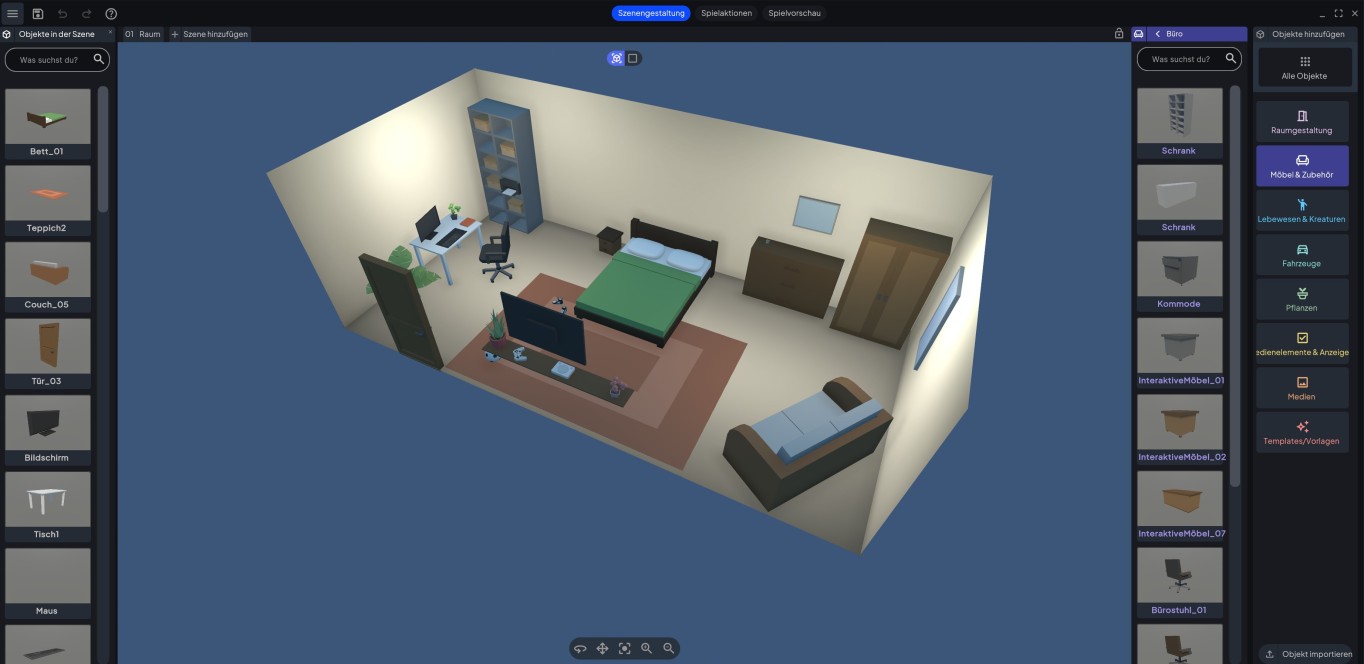
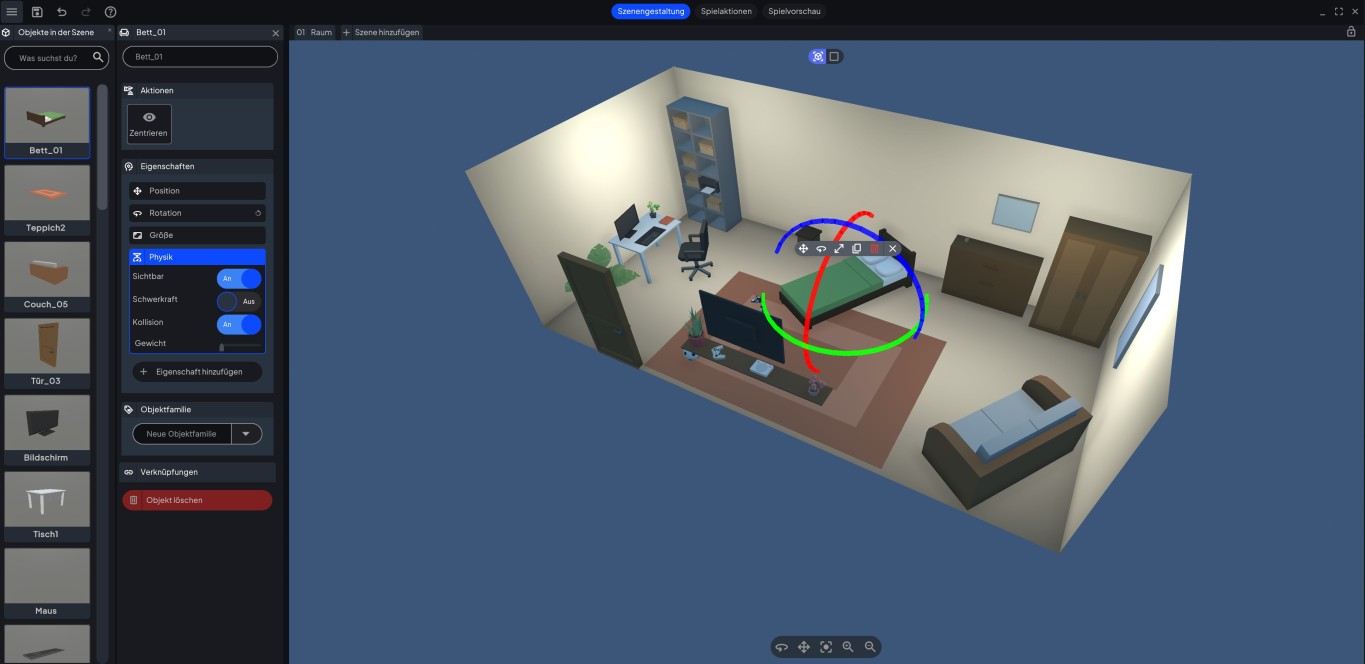
GameTULearn: Design learning spcaces in 3D -
![]()
GameTULearn: Move objects -
![]()
GameTULearn: Rotate objects -
![]()
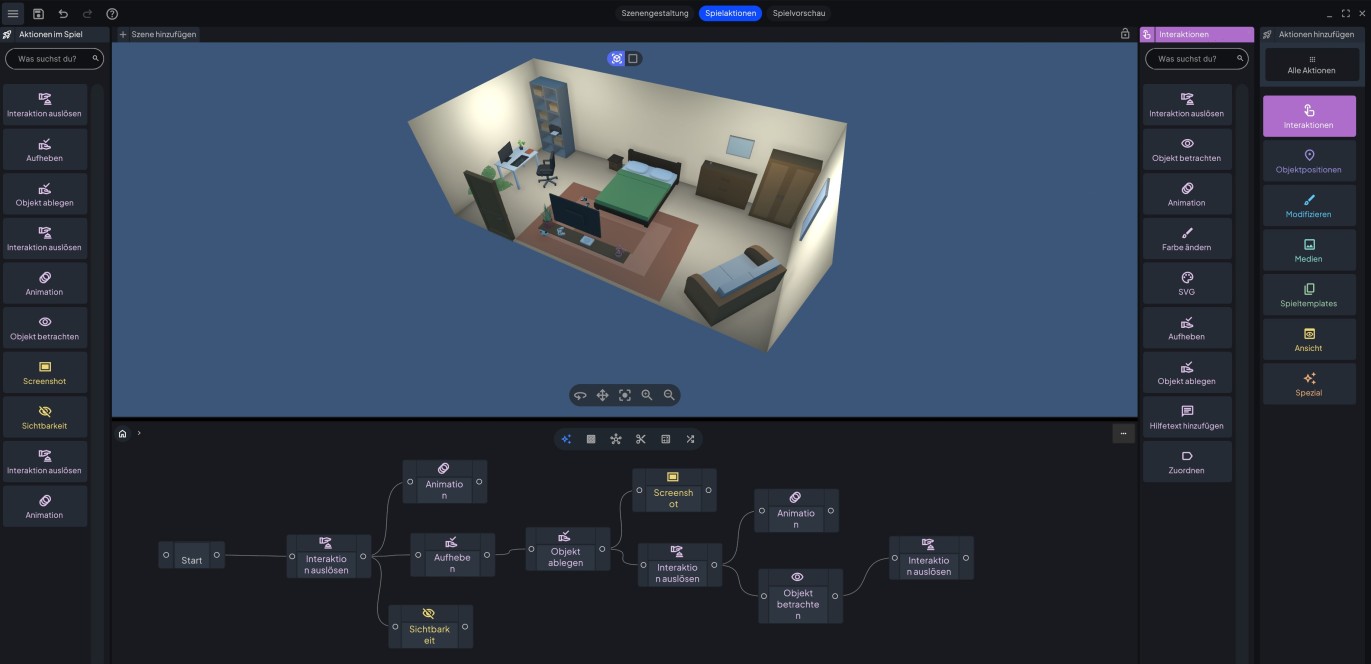
GameTULearn: Add and organize game actions -
![]()
GameTULearn: Link game actions to objects -
![]()
GameTULearn: Switch to 2D view -
![]()
GameTULearn: Use animations -
![]()
GameTULearn: Label objects -
![]()
GameTULearn: Add story and help texts



- Go to picture 1
- Go to picture 2
- Go to picture 3
- Go to picture 4
- Go to picture 5
- Go to picture 6
- Go to picture 7
- Go to picture 8
- Go to picture 9
Our tool has already been successfully used in workshops and events:
- E-Learning Stammtisch at TU Darmstadt (March 2024)
- GameDays (June 2024 & 2025) with over 300 participants, including educators, researchers, and families with children
- Gamescom and Gamescom Congress (August 2025)
- Workshops and evaluations with students from Goethe University Frankfurt, TU Darmstadt, and teachers from schools and universities
Feedback has been consistently positive—participants particularly praised the intuitive usability, creative possibilities, and playful presentation of learning content.
Who is GameTULearn for?
- Educators at universities and schools who want to make lessons more varied and interactive—they can create their own learning games and use them directly in class.
- Schools and universities that want to use the tool as a learning platform – students can develop games themselves to explore and deepen learning content playfully.
- Event organizers and educational events, where we present GameTULearn live—we offer live demos and workshops where participants can try out the tool and get inspired.
We invite you to try GameTULearn!
Simply fill out our contact form, and you will receive:
- Access to the authoring tool (EXE format, Windows PC required)
- Five pre-created use cases included, which can be used as templates
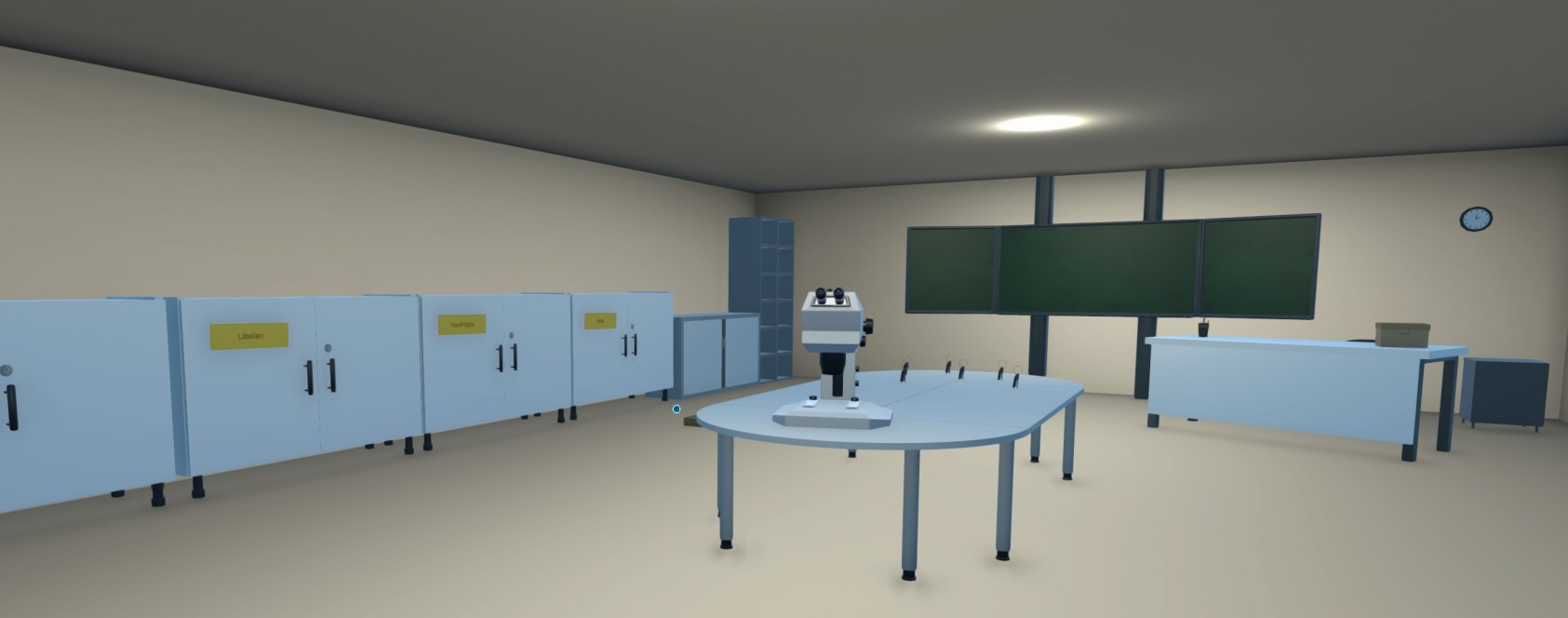
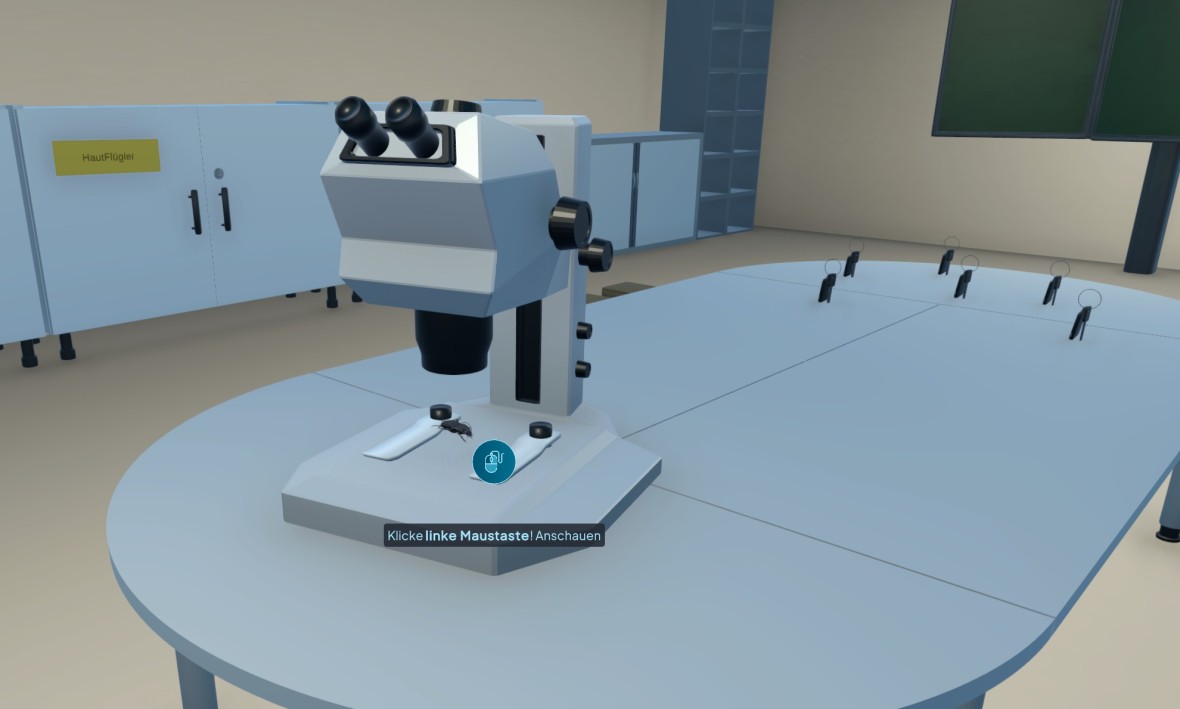
- Five playable use cases (EXE format, Windows PC required)
Please note: GameTULearn is a prototype that is continuously being developed. We welcome feedback, which will be used to improve the tool.
Try GameTULearn and become part of our community that conveys learning content playfully and creatively!
Project at a Glance
The project “3DVirtualCampus4GamifiedOnlineTeaching” started in early 2023 and was coordinated by the Serious Games working group at TU Darmstadt. Project partners included various departments of TU Darmstadt, such as the Remote Sensing and Image Analysis group (Department of Civil and Environmental Engineering, FB13), the Animal Evolutionary Ecology group (Department of Biology, FB10), and the Institute for General and Vocational Pedagogy (Department of Human Sciences, FB3). Additionally, the E-Learning Group at HDA was involved as an associated partner.
The path from idea to prototype followed a user-centered approach:
- Needs analysis and workshops with educators and departments
- Concept and design phase with wireframes, mockups, and style guide
- UX test workshops with educators and students
- Live demos, presentations, and evaluations at GameDays, Gamescom, and in seminars

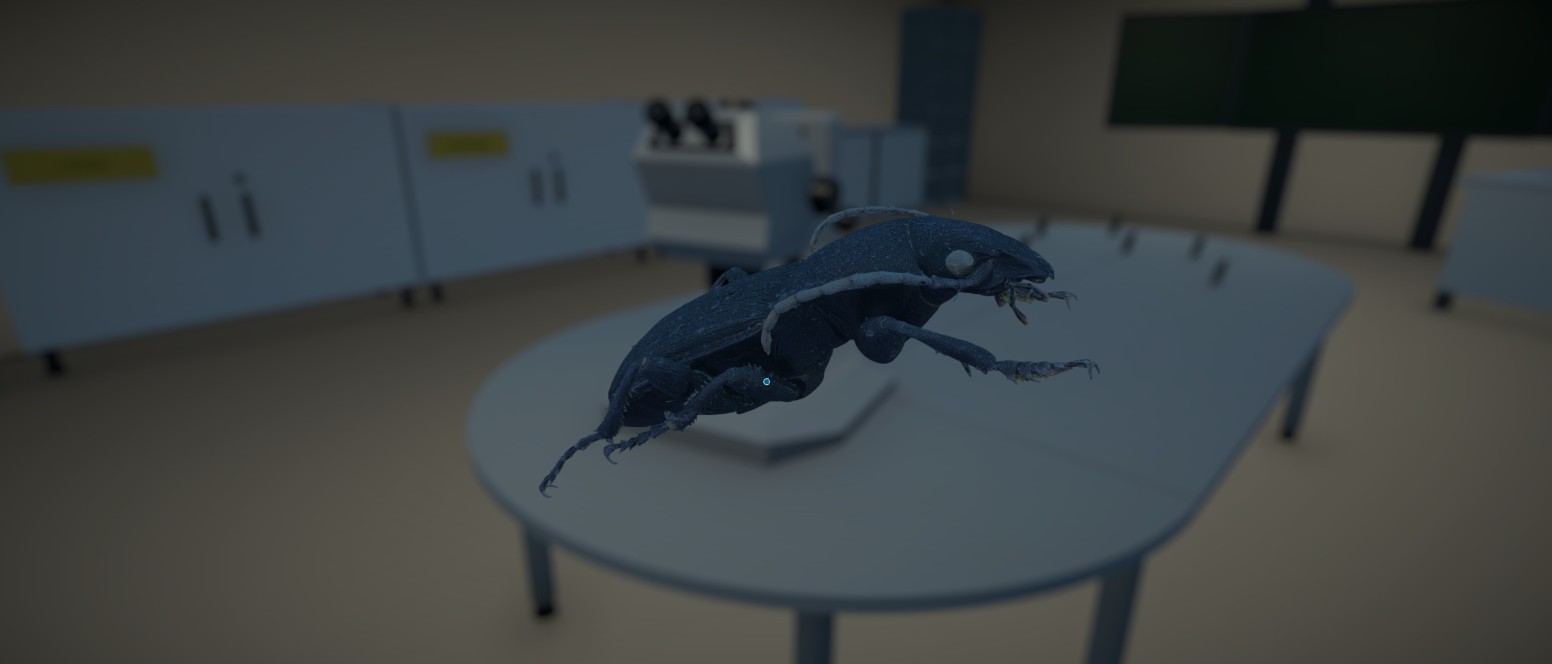

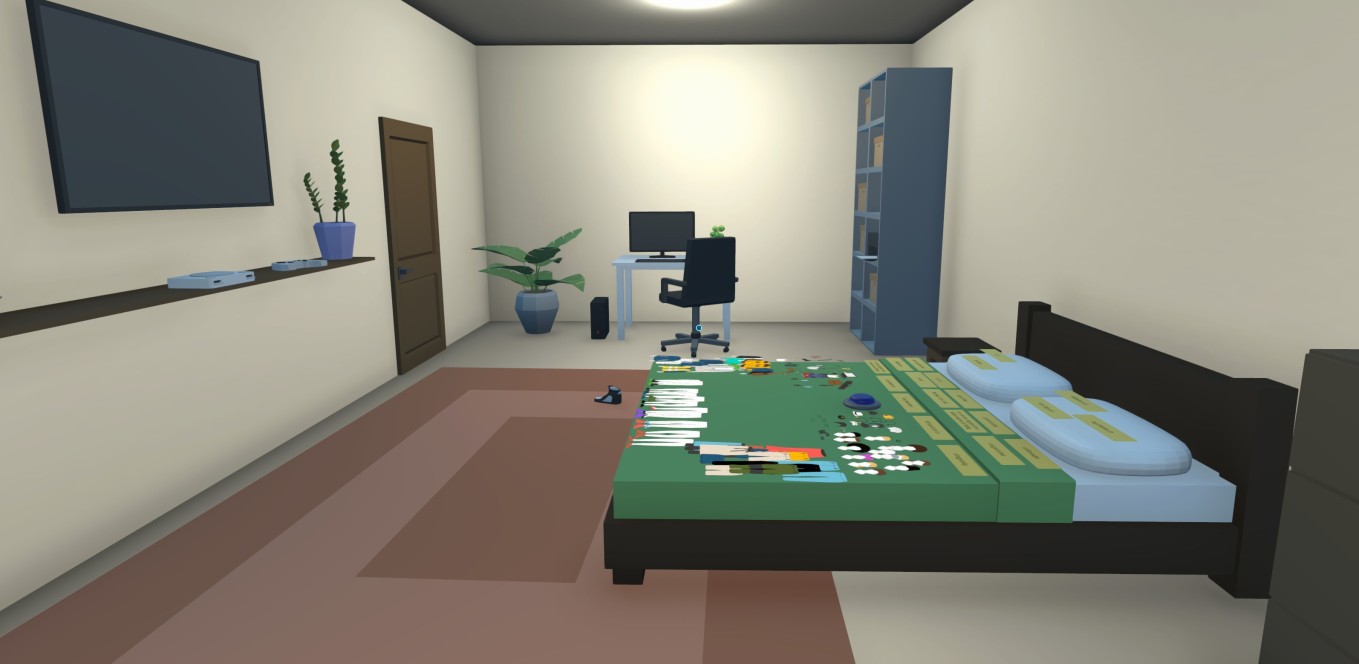


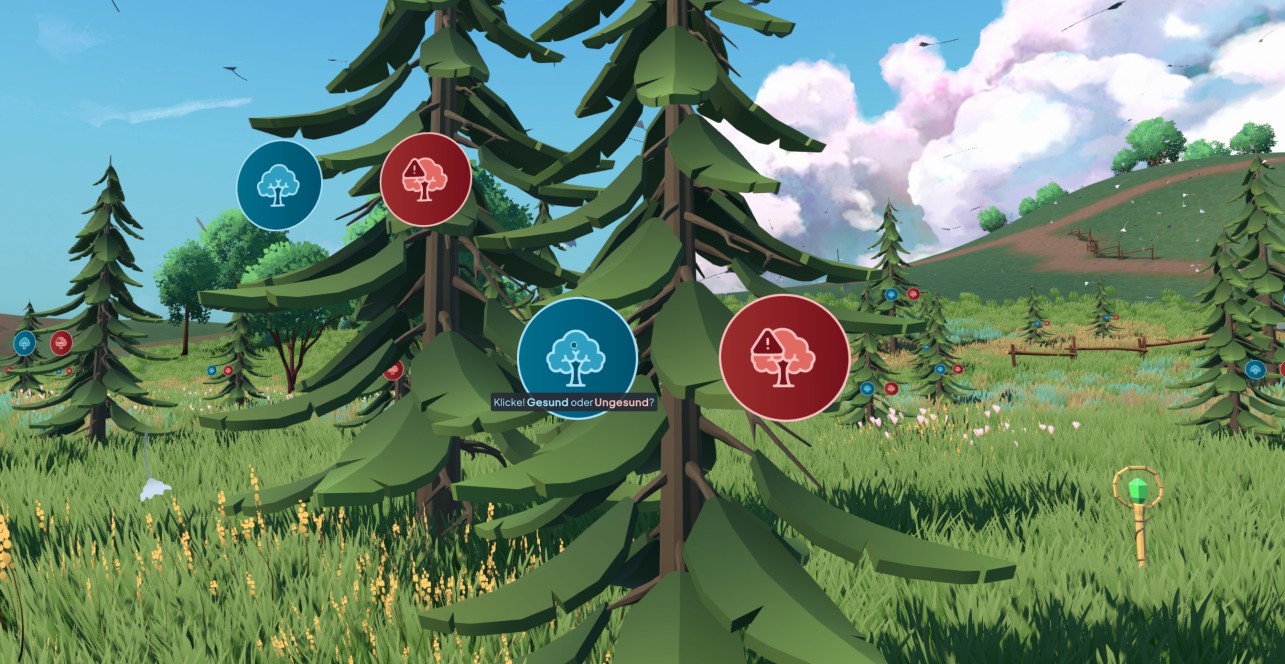
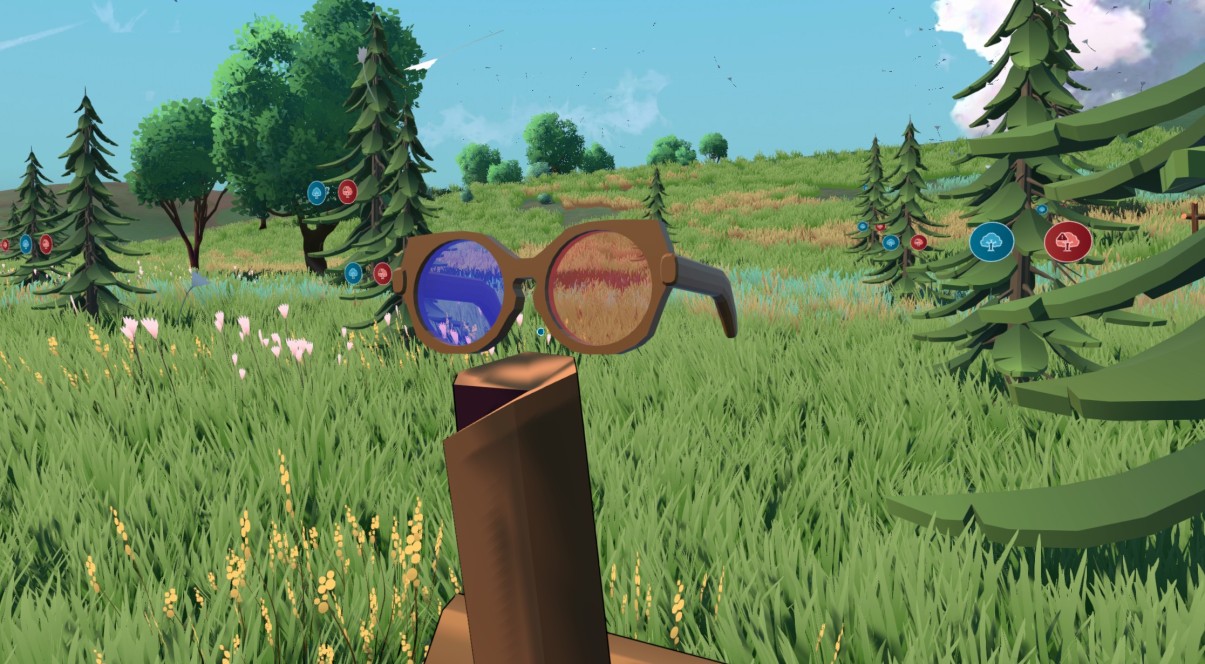
-
![]()
![]()
Dr. (habil.) Stefan Göbel
Project Management, TU Darmstadt, FB Elektrotechnik und Informationstechnik, Arbeitsgruppe Serious Games
-
![]()
![]()
Florian Horn, M.Sc.
Software Development GameTULearn, TU Darmstadt, Dept. of Electrical Engineering & Information Technology, Research Group Serious Games
-
![]()
![]()
Sabrina Vogt
Project Coordination, Concept / Design, TU Darmstadt, Dept. of Electrical Engineering & Information Technology, Research Group Serious Games
-
![]()
![]()
Prof. Dr.-Ing. Dorota Iwaszczuk
Use Case “Forest health”, TU Darmstadt, Institute for Geodesy, Dept. of Remote Sensing and Image Analysis
-
![]()
![]()
M. Sc. Mona Goebel
Use Case “Forest health”, TU Darmstadt, Institute for Geodesy, Dept. of Remote Sensing and Image Analysis
-
![]()
![]()
M.Ed. Sevil Mutlu
Use Case “Career Orientation”, TU Darmstadt, Department of Vocational Education and Vocational Education Research
-
![]()
![]()
Prof. Dr. Michael Heethoff
Use Case “Insects”, TU Darmstadt, Dept. of Biology, Ecological networks
-
![]()
![]()
Dr. Sebastian Schmelzle
Use Case “Insects”, Small World Vision GmbH
-
![Geeske Kemper]()
![Geeske Kemper]()
Geeske Kemper
Room Editor, TU Darmstadt, Dept. of Electrical Engineering & Information Technology, Research Group Serious Games
-
![]()
![]()
Sebastian Brandt
3D Modeling, Content Creation, TU Darmstadt, FB Elektrotechnik und Informationstechnik, Arbeitsgruppe Serious Games